Debate: “Honesty is the Best Policy” (6 Winning Points)
Introduction
Good day, students! Are you preparing for a debate and need the absolute strongest points to win your argument? You’ve landed on the right page. Today, we are tackling one of the most classic and powerful debate topics of all time: supporting the motion that “Honesty is the Best Policy.”
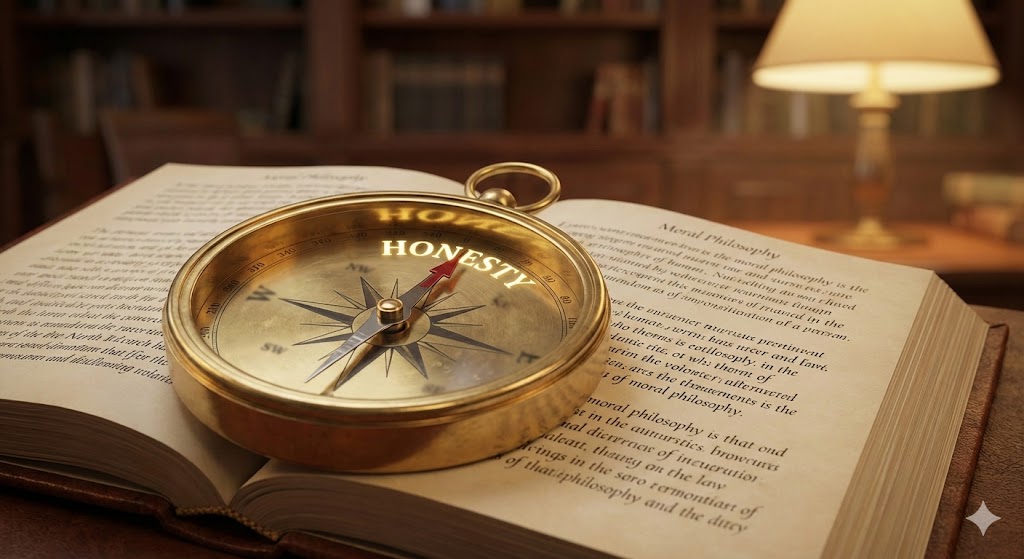
Before we dive into the script, let’s get clear on what we’re talking about. “Honesty is the best policy” isn’t just a dusty old proverb. It’s a practical rule for life. It means that being truthful, sincere, and straightforward in your actions and words will always lead to a better outcome in the long run compared to lying or deceiving people. It’s about having integrity and being a person whose word actually means something.
Disclaimer: This article provides a structured debate template supporting one side of the motion for educational purposes. It is designed to help students formulate strong arguments and does not diminish the value of opposing viewpoints in a balanced debate.

Winning Debate Points on Why Honesty is the Best Policy
1. It Builds Unshakeable Trust
My first point is the most crucial one: honesty is the foundation of trust. Think about it. Would you trust a friend who has lied to you before? Probably not. Trust is like a delicate glass; once broken by a lie, it is incredibly difficult to put back together.
When I am honest, even when it’s uncomfortable, I am showing everyone around me—my parents, my teachers, my friends—that I am reliable. I am building a reputation of trustworthiness. In the real world, whether it’s in business, relationships, or leadership, trust is the currency that matters most. Without it, you have nothing. By making honesty my policy, I am investing in a future where people believe in me and want to work with me.
2. Honesty is the Ultimate Stress-Reliever
Let’s be real for a second. Lying is exhausting. When you tell one lie, you have to remember it forever. Then, you usually have to tell another lie to cover up the first one, and before you know it, you’re trapped in a complicated web of deceit. You live in constant fear of being caught.
But when I tell the truth? I have nothing to hide. I don’t need a perfect memory to keep my story straight because my story is simply what happened. This brings an incredible sense of peace and mental freedom. As the old saying goes, a clear conscience is the softest pillow. Living honestly means I sleep better at night, free from the anxiety and stress that come with being dishonest.
3. It Fosters Courage and Strong Moral Character
Choosing to be honest isn’t always easy. In fact, sometimes it’s the hardest thing to do. Admitting you made a mistake or telling a hard truth requires real courage. It’s the easy way out to lie and avoid immediate consequences.
However, every time I choose the hard truth over an easy lie, I am building my moral character. I am training myself to be brave and responsible. This isn’t just about looking good to others; it’s about having self-respect. I know that I am a person of integrity who does the right thing even when no one is watching. This inner strength is a quality that will serve me far better in life than any temporary advantage I might get from a lie.
4. Honesty Strengthens Relationships
Authentic relationships are built on truth. You cannot have a real connection with someone if it’s based on lies. While a “white lie” might seem like a good way to protect someone’s feelings in the moment, it often creates distance in the long run.
When I am open and sincere with my friends and family, it deepens our bond. It shows I respect them enough to give them the truth. Even if the truth is painful sometimes, working through it together makes the relationship stronger. People appreciate sincerity and candor. They are far more likely to forgive an honest mistake than a calculated deception. Honesty tells the people in my life, “I value you too much to lie to you.”
5. The Truth Always Comes Out Anyway
Let’s look at this practically. In today’s world of technology and constant communication, it is harder than ever to keep a secret. Lies have a nasty habit of rising to the surface, often when you least expect it.
When a lie is discovered—and it almost always is—the fallout is far worse than whatever temporary problem the lie was meant to solve. The embarrassment, the loss of credibility, and the damage to your reputation can be permanent. It’s simply not a smart risk. According to psychological research, chronic lying can even lead to a phenomenon where the liar begins to believe their own fabrications, further detaching them from reality. The smartest, most practical long-term strategy is just to stick to the facts from day one.
6. It is the Foundation of a Fair Society
Finally, let’s zoom out and look at the bigger picture. Imagine a school, a community, or a country where no one told the truth. Where every promise was empty and every statement was a potential lie. It would be chaos. Nothing would work.
Honesty is the glue that holds society together. It allows for justice, fair trade, and effective government. When we value accountability and transparency, we create a better world for everyone. By choosing to be an honest person, I am doing my small part to contribute to a more just and functional society. As global institutions like the [United Nations emphasize in their calls for good governance], transparency and accountability—which are rooted in honesty—are essential for development and peace.
Frequently Asked Questions (FAQs)
Q: What if telling the truth will get me in major trouble? A: It’s natural to be scared of consequences. But remember, the consequences of the initial mistake plus the consequences of lying about it are always worse than just owning up to the mistake in the first place. Admitting fault shows maturity and often leads to leniency.
Q: Aren’t “little white lies” okay sometimes to not hurt feelings? A: While the intention is good, even small lies can erode trust over time. It’s often better to be kind but truthful, or simply find a diplomatic way to say things without lying. True respect is telling someone the truth gently.
Q: How do I conclude this debate speech forcefully? A: Summarize your main points in one powerful sentence and end with a memorable statement. For example: “Judges, teachers, fellow students, honesty is not just a nice idea; it is the only practical, moral, and sustainable way to live. Therefore, the motion that honesty is the best policy must stand.”
Conclusion / Summary
To summarize my argument, honesty is undeniably the best policy because it is the bedrock of trust, it frees us from the stress of deceit, it builds courageous character, and it deepens our relationships. More than that, it is the practical choice in a world where the truth eventually comes to light, and it is essential for a functioning society.
Disclaimer: All professions and perspectives are important to our society. This article is created solely for educational purposes to help students develop debate skills and does not intend to undermine alternate viewpoints.
What do you think? Is there ever a situation where a lie is truly better than the truth? Drop your opinions in the comments section below. Also, feel free to share this post with your coursemates or those in your debate team!
Honesty is the worst policy (Debate) I’ve included this video because it offers a look at a debate where the opposing side, “honesty is the worst policy,” is argued, which can be helpful for understanding counter-arguments.